
DIVE BLOG
Exploring the Subterranean Wonders: Scuba Diving in Lava Tubes on Hawaii's Big Island
Discover the Underwater Marvels: Safe and Respectful Diving in Hawaii's Lava Tubes
Hawaii's Big Island is renowned for its stunning landscapes, both above and below the water's surface. While scuba divers flock to the island for its colorful reefs and marine life, there's another hidden gem waiting to be explored – lava tubes. In this blog post, we'll take you on a journey beneath the surface to discover how lava tubes are formed, offer tips for diving safely in them, and introduce you to some of the fascinating creatures that call these volcanic passageways home. Plus, we can't discuss lava tubes without mentioning Pele, the Hawaiian goddess of volcanoes and fire.
How Are Lava Tubes Formed?
Lava tubes are geological formations that originate from volcanic activity. Here's how they're created:
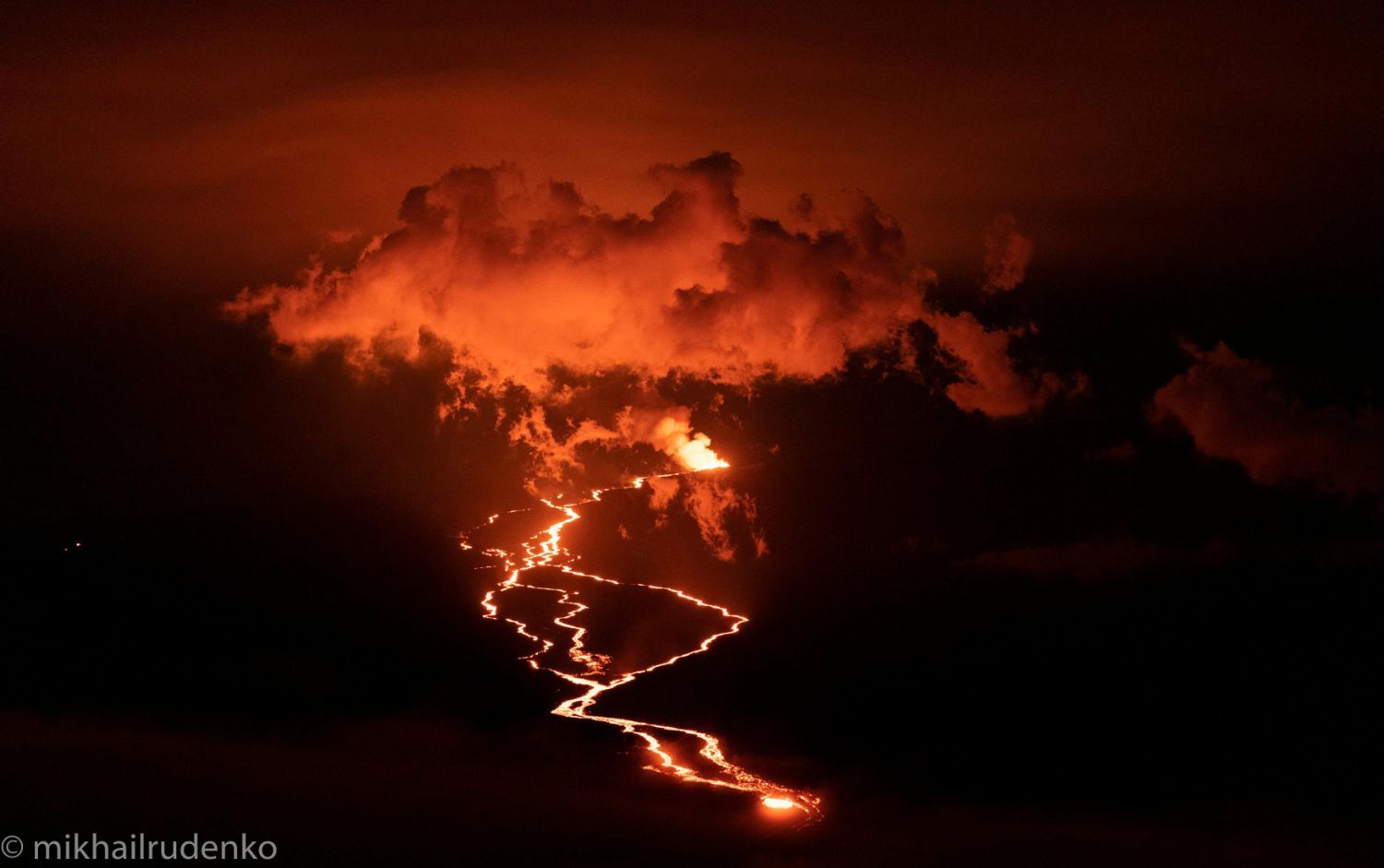
Volcanic Eruption: Hawaii was formed through millions of years of volcanic activity, as lava erupted from underwater vents and built up layer upon layer, eventually creating a chain of islands. The Big Island is home to 4 active volcanoes, including 2 that have erupted recently, Mauna Loa and Kilauea, adding new land to our island.
Surface Cooling: As the lava flows, it cools and solidifies on the surface, forming a protective crust. Meanwhile, the molten lava beneath continues to flow.
Tunnel Formation: Over time, the inner lava remains hot and molten while the outer layer cools and hardens, creating a tunnel or tube. When the eruption subsides, these tunnels are left behind.
Lava Tube Growth: Lava tubes can range from a few feet to several miles in length, depending on the volume of lava that once flowed through them.
Tips for Diving in Lava Tubes
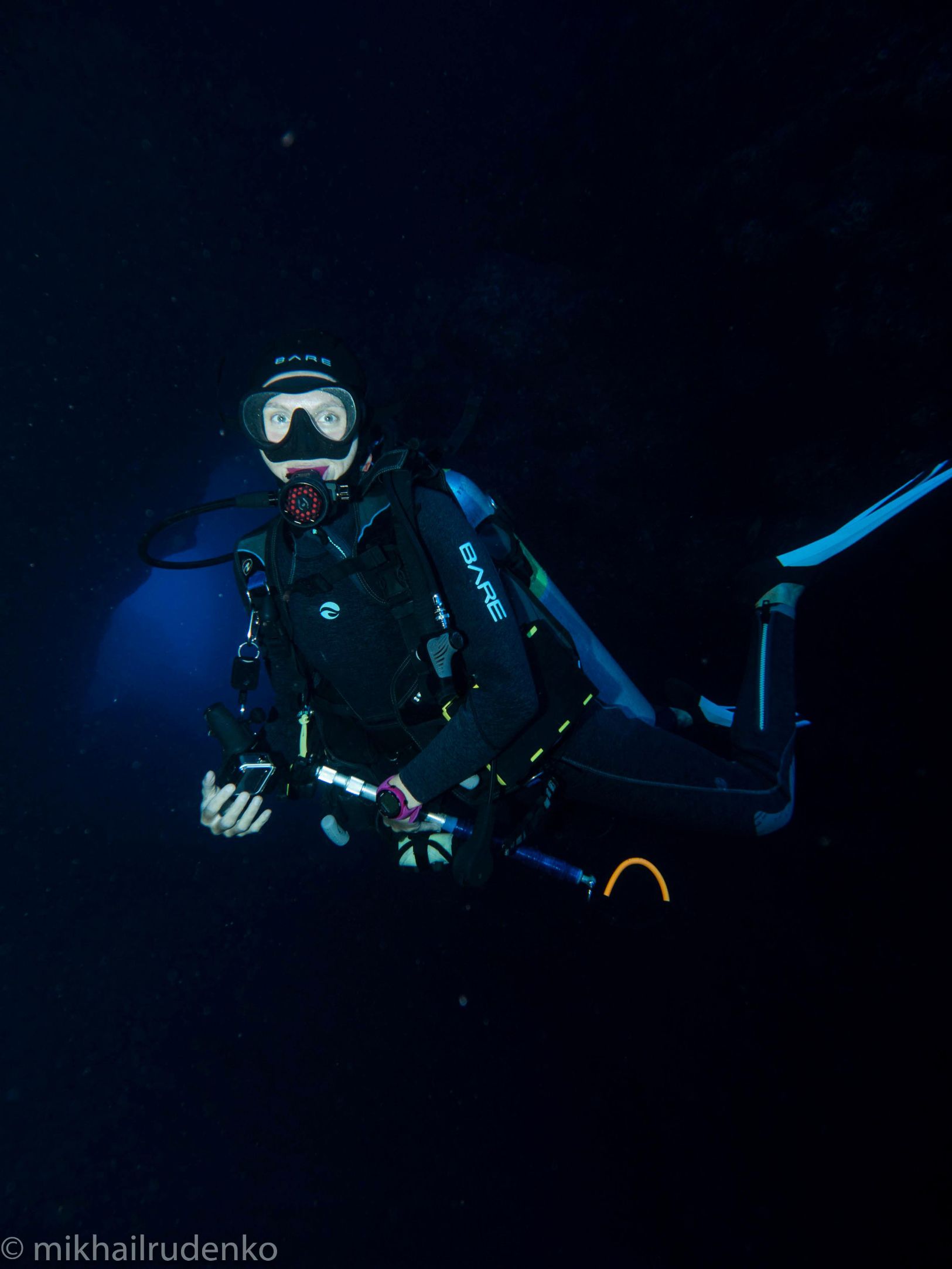
Diving in lava tubes can be an exhilarating experience, but it's essential to prioritize safety. Keep in mind that we will only ever take you into a lava tube that is considered a cavern, NOT a cave. The difference between the two is that you can always see an exit in a cavern, and there is generally lots of ambient light coming in the cavern, whereas in a cave you will not be able to see an exit - this also requires a special cave diving certification.
Here are some tips for a successful lava tube dive:
Experience Level: Lava tubes can be explored by all levels of divers. Newer divers will enjoy structures like large archways and very large caverns, whereas more experienced divers will have the opportunity to enter smaller lava tubes that require precise buoyancy control.
Lighting: We always recommend carrying a dive light on any dive to peek into all of the pukas (holes) on the reef, but this is especially important when diving in lava tubes. Even the underside of archways can be dark and require light to see any of the critters!
Buoyancy: Having controlled buoyancy in any overhead environment is crucial for keeping you and the environment safe. The majority of the life is on the walls and ceiling, so be extra mindful not to touch those areas. The bottom of Hawaii’s lava tubes are generally mostly sand, sediment, and rocks.
Proper Kicking: Because the bottom of most lava tubes have a find layer of sediment on them, it is important to avoid fast arm or leg movements to avoid stirring it up and reducing visibility in the tube. We recommend bending your knees and using a frog style kick to avoid disturbing the bottom.
Pele's Respect: In Hawaiian culture, Pele is revered as the goddess of volcanoes and fire. Show respect for the environment and acknowledge the significance of the lava tubes to the island's history and culture.
Animals Inside Lava Tubes
Lava tubes are not barren caves or caverns; they host a variety of intriguing marine life. While the diversity may not rival that of the coral reef, you can expect to encounter unique creatures, such as:
Crustaceans: Lava tubes are home to a huge variety of crustaceans from large spiny lobsters to tiny clear shrimp.
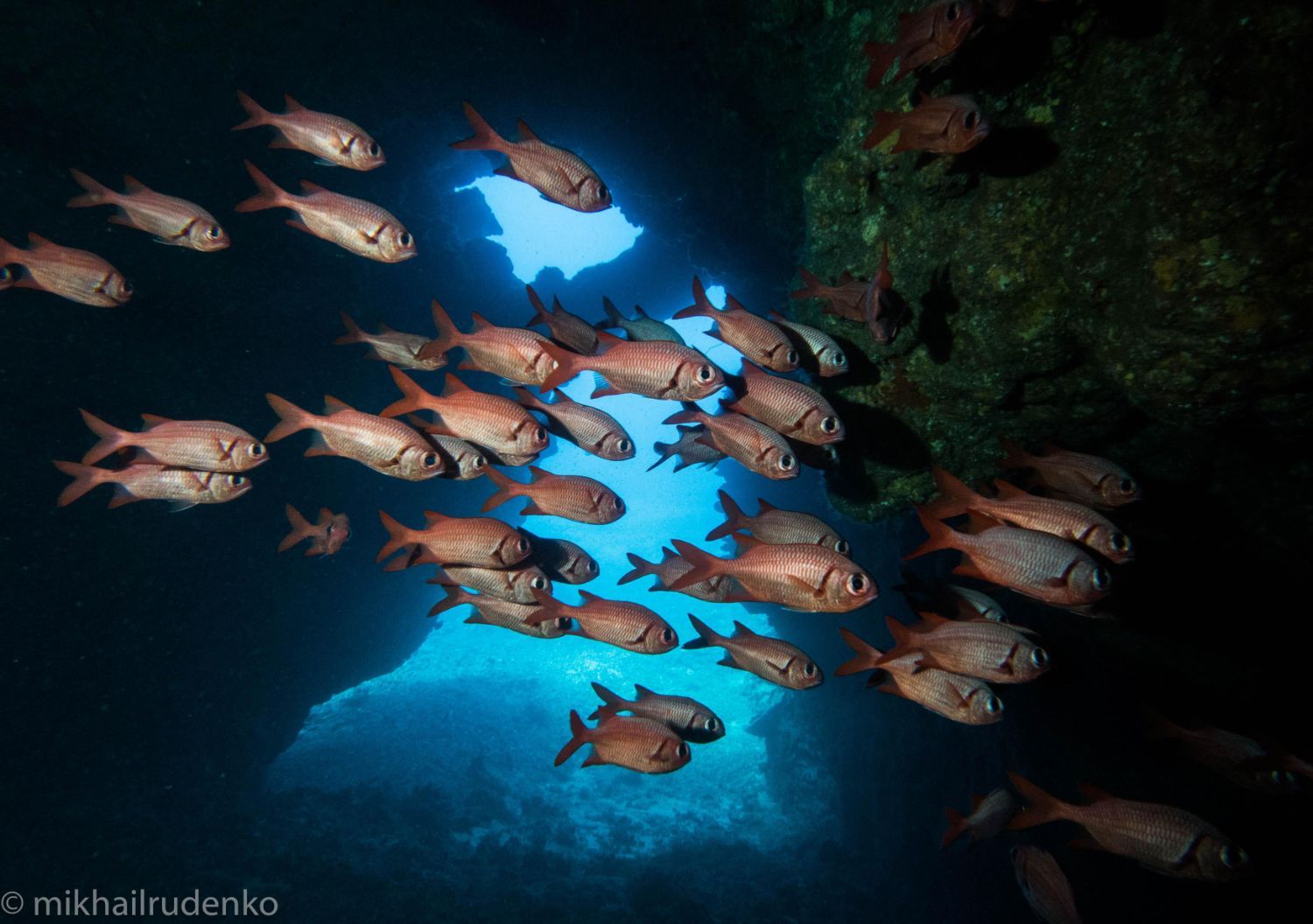
Red Fish: Soldierfish and squirrelfish are nocturnal and spend their days hiding inside of dark spaces on the reef. They are all red in color to help them camouflage, recall that red is the first light wavelength to disappear underwater, making it the best color to be if you are trying to blend in!
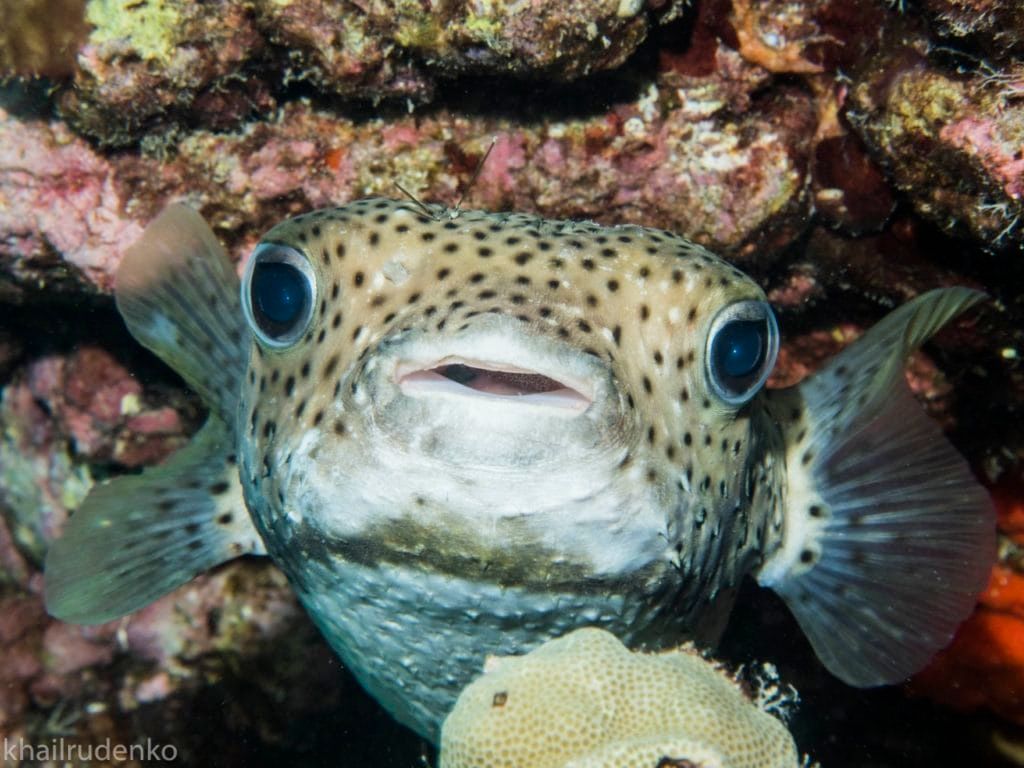
Pufferfish: Porcupine pufferfish are frequently spotted inside lava tubes, some of them are huge with eyes the size of tennis balls staring back at you.
White-Tip Reef Sharks: Another nocturnal species, white-tip reef sharks spend their days resting under ledges or inside of lava tubes. They do not have to swim continuously to breathe, but can open and close their mouths to pull water over their gills, a movement called buccal pumping.
Sponges: The walls and ceilings of lava tubes are home to a variety of vibrant sponges. The inside of lava tubes are, surprisingly, a very colorful place!
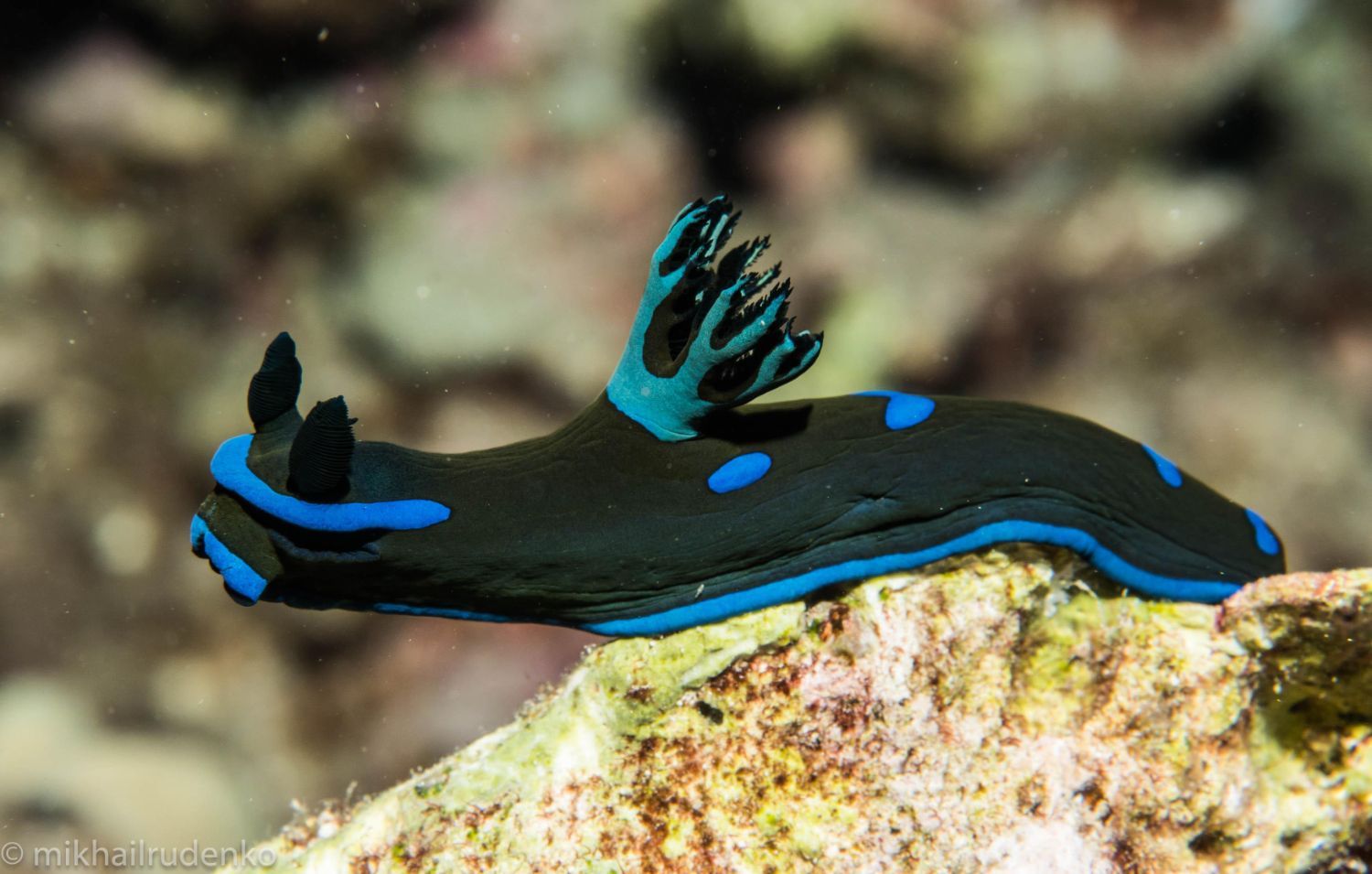
Nudibranchs: Nudis are very common inside of lava tubes because there is abundant food (sponges, bryozoans, and hydroids) for them in these dark environments.
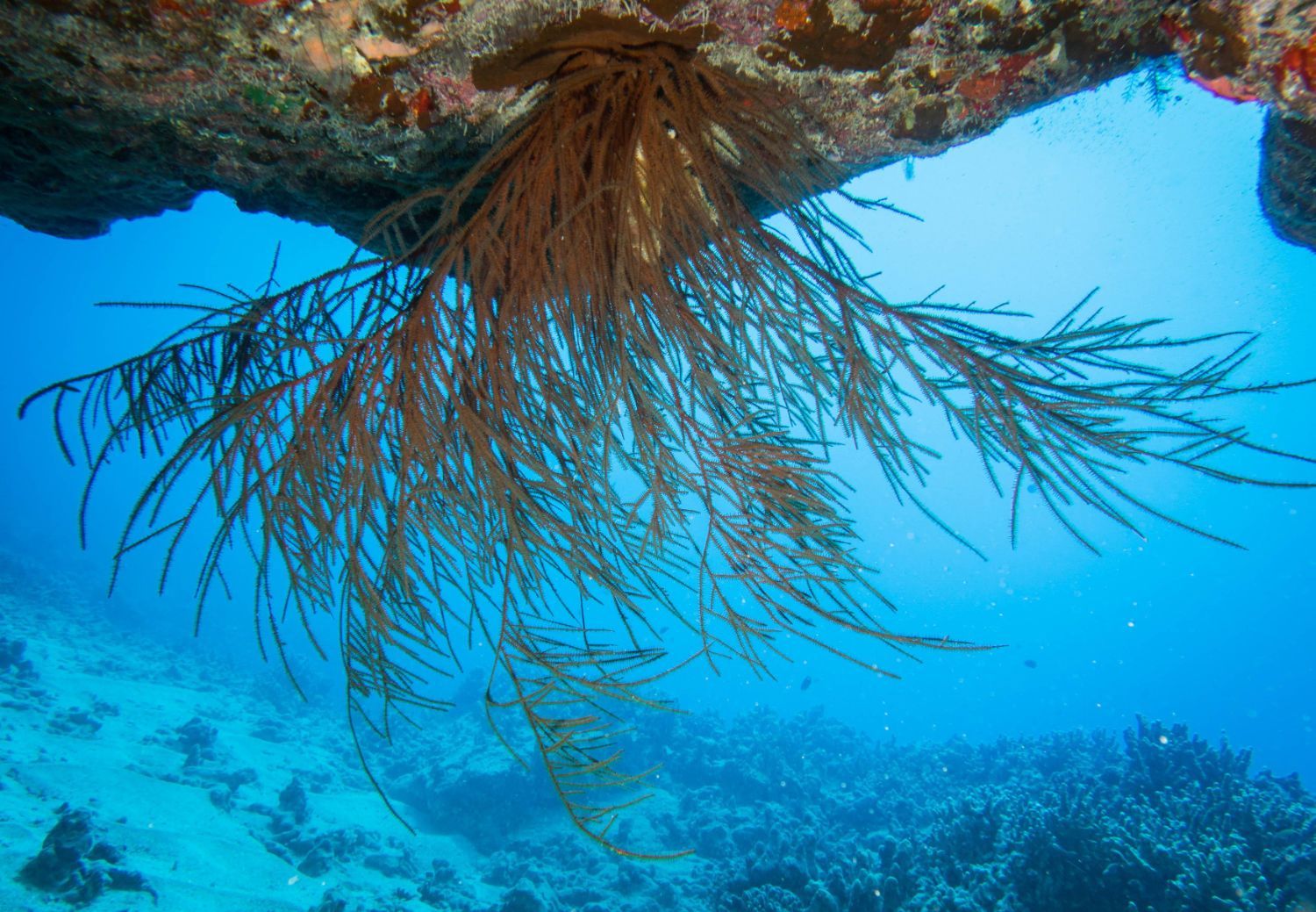
Black Coral: In deeper waters, generally over 60 feet, black coral trees are often seen archways where there is good water flow. These beautiful trees are considered Hawaii’s gemstone.
Embracing the Mystique and Majesty of Big Island's Lava Tube Dives
Diving in lava tubes on Hawaii's Big Island is an extraordinary adventure that offers a glimpse into the island's volcanic history and the unique creatures that inhabit these underground worlds. Remember to dive responsibly, respect the environment, and consider the significance of these subterranean wonders in Hawaiian culture, paying homage to the powerful goddess Pele. As you embark on your lava tube diving journey, you'll not only witness the marvels of nature but also the rich tapestry of Hawaii's geology and mythology.