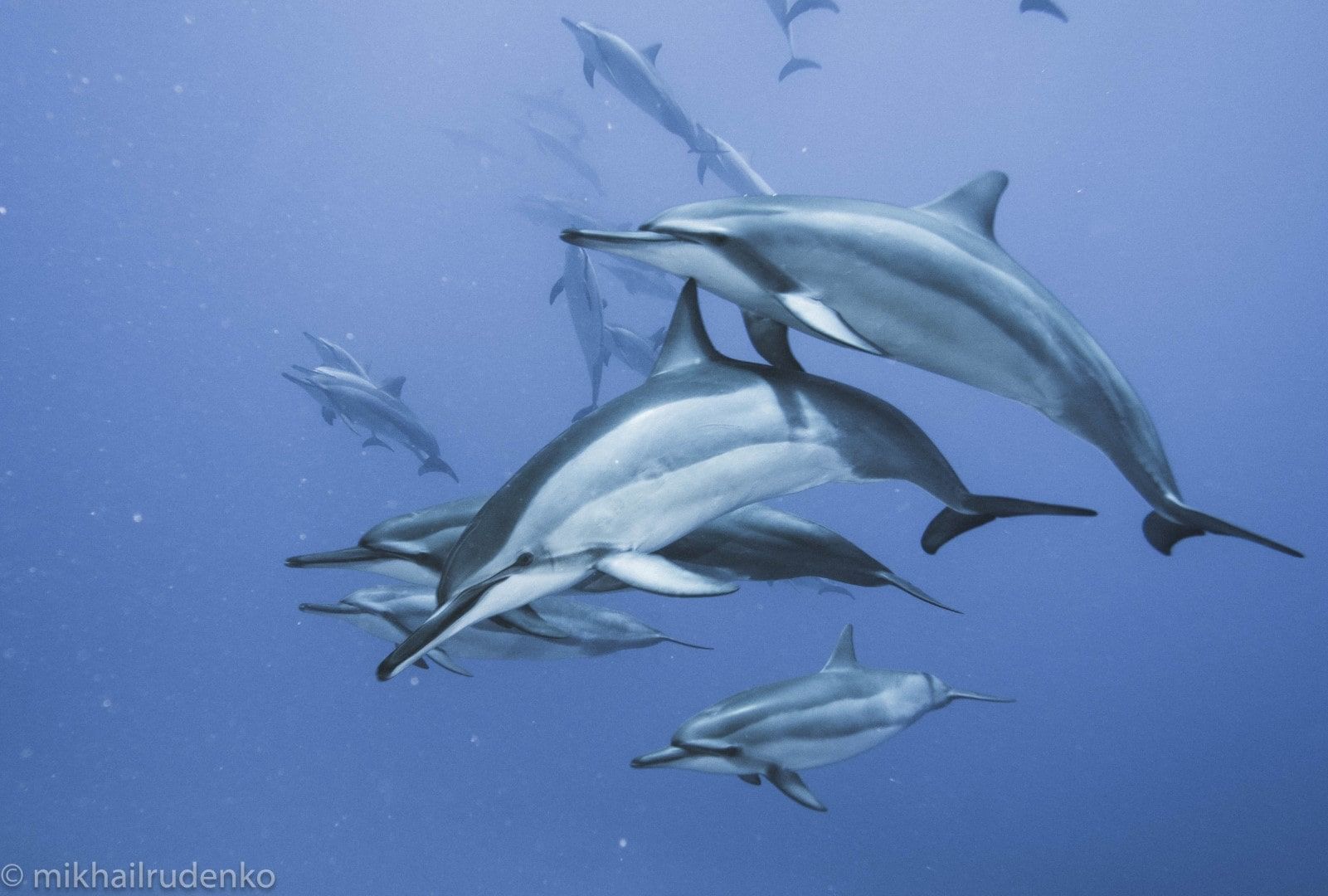

DIVE BLOG
The Best Time of Year to Dive in Hawaii
Big Island of Hawaii Year-Round Diving: Seasonal Highlights
Scuba diving in Hawaii varies year-round with each season bringing a unique host of animals and different ocean conditions. The fantastic news for scuba divers is that diving in Hawaii is a year-round activity thanks to our warm, calm waters.
If you are planning a dive vacation to Hawaii, this guide will help you discover the best time to visit Hawaii’s vibrant reefs.
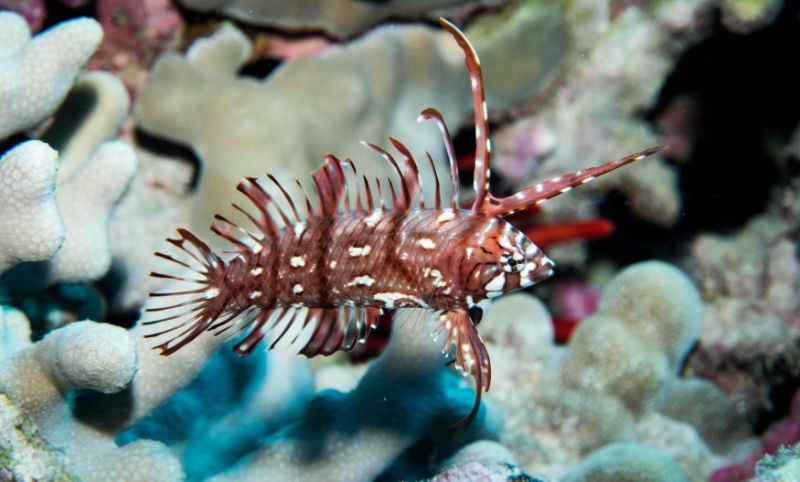
Summer (June to September)
The summer months are considered the high season for scuba diving in Hawaii. This period offers warm waters from 77-80° F, with temperatures peaking in September. The Hawaiian trade winds are prevalent in the summer months, so you can expect some wind, especially in the early summer. The good news is, wind often increases visibility making the underwater views spectacular! Summertime is also when we see an increase in recruitment of baby fish to the reef creating nursery areas.
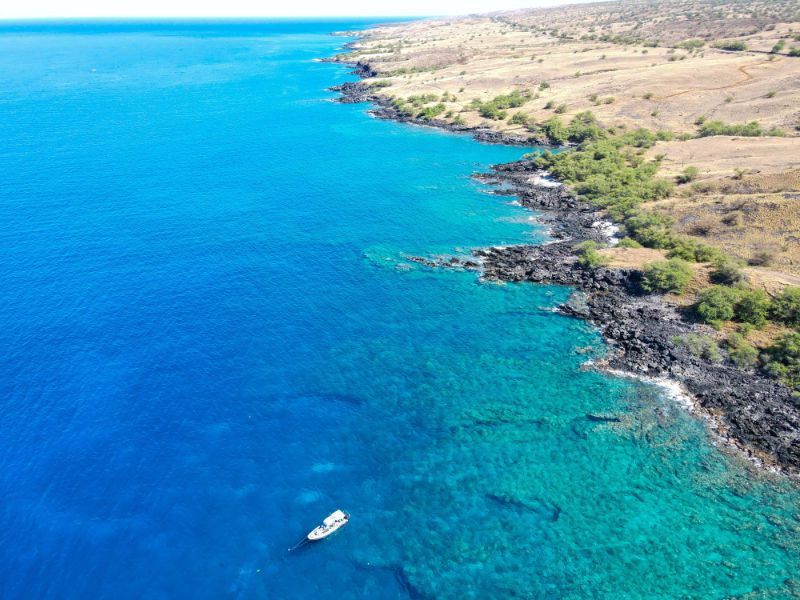
Fall (October to November)
The fall season is an excellent time to visit if you prefer less crowded dive sites as this is the “off-season” for tourism. This time of year generally sees very little wind or swell, meaning the ocean is calm and inviting nearly every day. Water temperatures are still high around 80° F. Underwater creatures are abundant and active during these warm calm months.
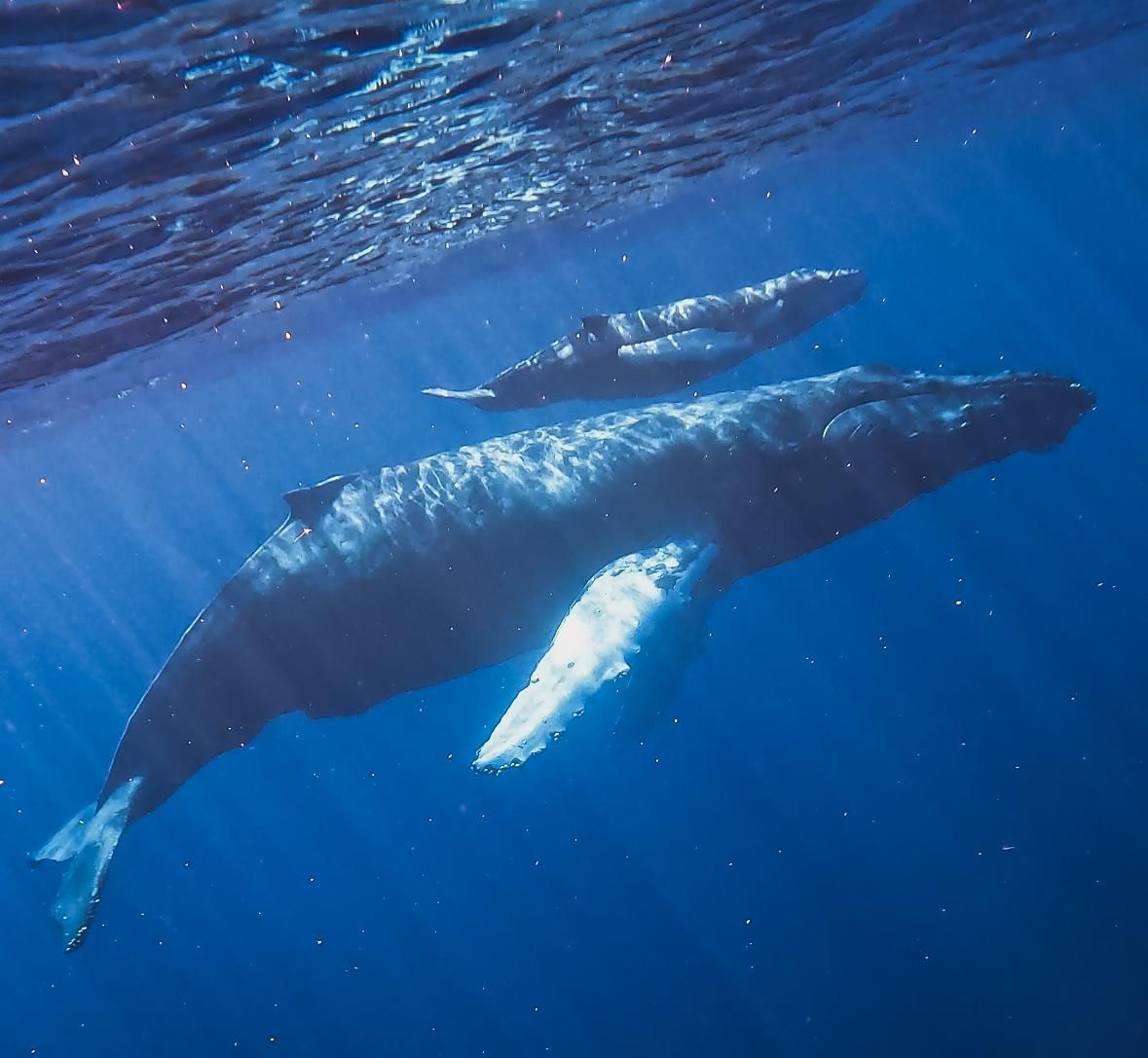
Winter (December to March)
Wintertime brings a unique attraction – it’s humpback whale season! The migratory humpback whales spend their winters in Hawaii to mate and give birth, and return to their Alaskan feeding grounds in the summer months. Peak whale season is January and February, where whale sightings are common on surface intervals and boat rides! Water temperatures are between 74-77° F, with March being the coolest month of the year. Bear in mind that large winter swell and more frequent rain events can impact diving by reducing visibility sometimes during the winter. Fish spawning generally peaks during the cooler months so keep an eye out for “fish fireworks” if you’re diving at dawn or dusk!
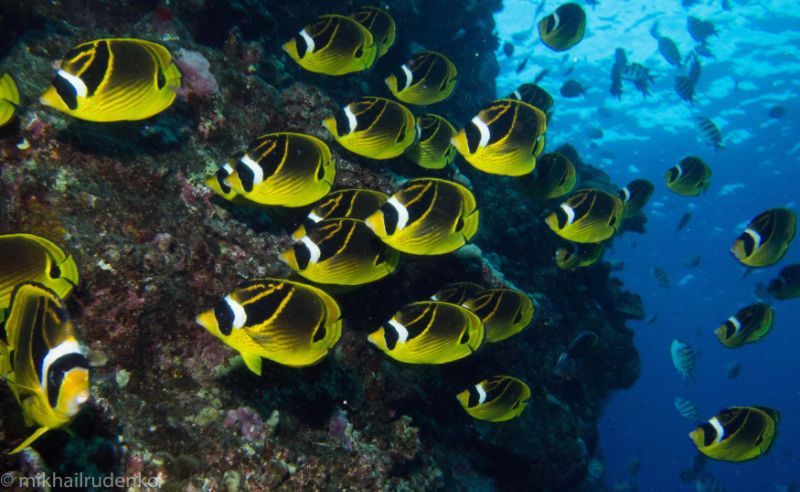
Spring (April to May)
Spring is a transitional season when the waters start to warm up, generally temperatures are 76-78° F. Tourism is light so the dive sites remain uncrowded. Conditions are often calm with little to no wind or swell, making this a great time of year to explore the Big Island’s extensive lava tubes.
Weather Considerations
While Hawaii enjoys a tropical climate, it's essential to be aware of potential weather patterns like rain, strong winds, and large swells. These can affect dive conditions, so it's advisable to check weather forecasts before planning your dives. Keep in mind that hurricane season is June - November, peaking in September and October when the water is warmest, although Hawaii is not often impacted by hurricanes.
In summary, the best time for scuba diving in Hawaii is largely a matter of personal preference. Whether you prefer warm summer waters, the tranquility of fall, the thrill of winter whale encounters, or the vibrancy of spring, Hawaii has something to offer year-round. Remember that dive operators on the island are well-versed in local conditions and can guide you to the best sites based on the time of year.
Lastly, safety should always be a top priority. Regardless of the season, it's essential to stay updated on local conditions, listen to advice from dive professionals, and practice responsible diving to ensure a memorable and safe underwater experience. So, pack your gear and get ready for an unforgettable scuba diving adventure in Hawaii, no matter when you choose to visit!